Free guide
How to plan monthly lawn care for a suburban property
This guide walks through the tasks that keep a lawn, beds, and irrigation healthy through the seasons in central Texas. You can use this schedule whether you do the work yourself or hire a service.
01Map your property zones and measure lawn area
Walk your property with a tape measure or use satellite images to estimate the square footage of your lawn, beds, and hardscaping. Mark irrigation zones on a simple sketch: front lawn, back lawn, side beds, and any areas with separate sprinkler valves. Note sun exposure for each zone—full sun, partial shade, or full shade—because watering and fertilizer needs vary. Measure the lawn area in square feet so you can calculate the right amount of fertilizer and weed control products later. This map becomes your reference for every seasonal task.
02Set a mowing height and schedule for your grass type
Central Texas lawns are typically St. Augustine, Bermuda, or Zoysia. St. Augustine should be mowed to 3 to 4 inches, Bermuda to 1 to 2 inches, and Zoysia to 2 to 3 inches. Mowing too short stresses the grass and allows weeds to take hold. During the growing season—April through September—mow weekly. In cooler months, mow every two weeks or when the grass reaches about one-third taller than your target height. Keep mower blades sharp; dull blades tear grass and leave brown edges that invite disease.
03Fertilize three times a year: spring, summer, fall
Apply a slow-release fertilizer in early April when soil temperature reaches 65 degrees and grass begins active growth. Apply again in mid-June to support summer density, and once more in September to strengthen roots before winter. Use a broadcast spreader and follow the product label for your lawn's square footage—over-fertilizing wastes product and can run off into storm drains. Choose formulas marked safe for pets and children if your yard sees regular foot traffic. Water the lawn lightly after applying granular fertilizer to move nutrients into the soil.
| Month | Mowing | Other tasks |
|---|---|---|
| February – March | Every two weeks as growth begins | Apply pre-emergent herbicide; check irrigation system |
| April – June | Weekly; keep blades sharp | Fertilize in early April; adjust irrigation for heat |
| July – September | Weekly; mow in morning or evening | Fertilize in mid-June and September; increase watering |
| October – November | Every two weeks as growth slows | Apply fall pre-emergent; reduce irrigation frequency |
| December – January | Monthly or as needed | Clear leaves from beds; inspect for winter damage |
The one-third rule
Never remove more than one-third of the grass blade in a single mowing. Cutting more stresses the plant and exposes soil to weeds and heat. If your lawn grows tall between mowings, raise the mower deck and mow again a few days later at your target height.
04Check and adjust irrigation every season
Run each irrigation zone manually at the start of spring, summer, and fall to check for broken heads, leaks, or poor coverage. Adjust sprinkler heads so they water the lawn and beds, not the driveway or house. In spring and fall, lawns need about one inch of water per week including rainfall; in summer heat, increase to one and a half inches. Use a rain gauge or empty tuna can to measure output and adjust run times accordingly. Turn off or reduce irrigation during rainy periods to avoid overwatering and fungus.
05Control weeds early, before they seed
Apply a pre-emergent herbicide in late February to block summer weeds like crabgrass, and again in late August to block winter weeds. For weeds that appear despite pre-emergent treatment, spot-treat with a post-emergent herbicide or pull by hand when soil is moist after rain. Remove the entire root to prevent regrowth. Thick, healthy grass is the strongest defense against weeds, so proper mowing height and fertilization reduce the need for chemical treatment over time.
06Trim beds and edges monthly to keep borders clean
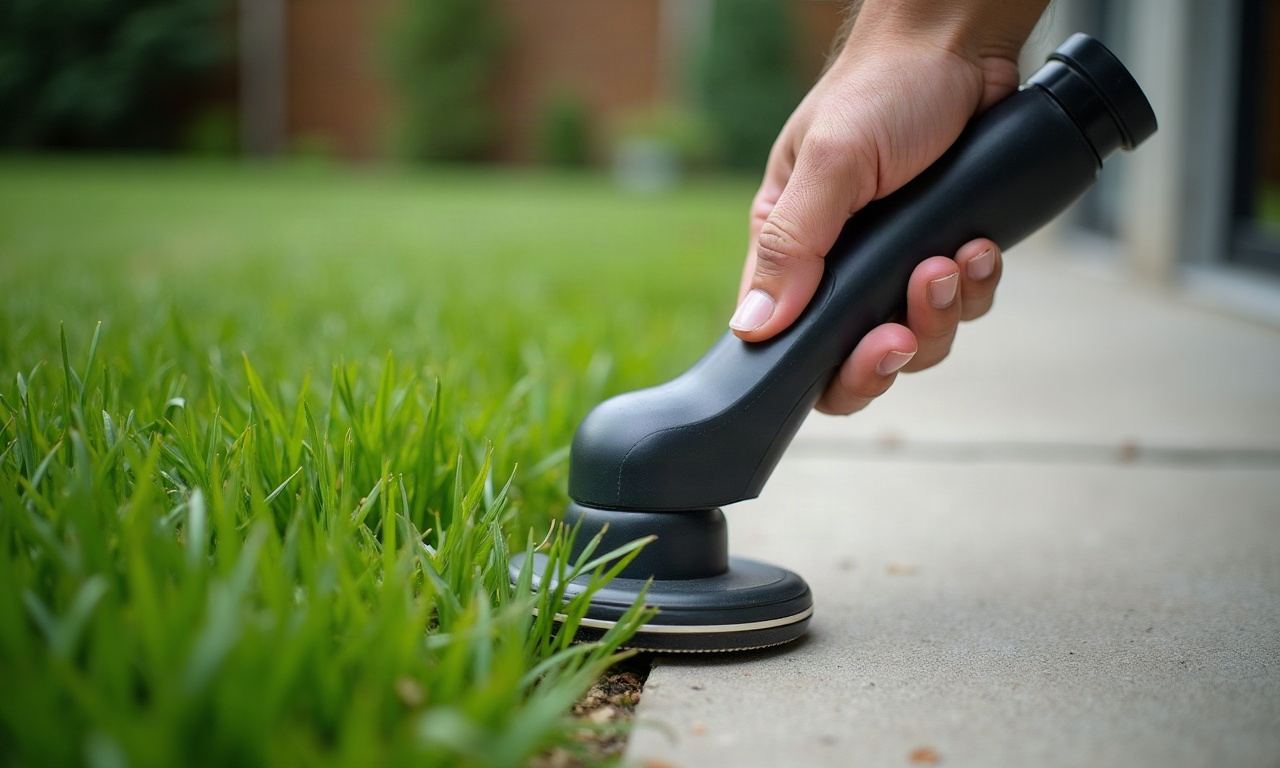
Edge along driveways, sidewalks, and bed borders with a manual edger or string trimmer once a month during the growing season. This keeps grass from creeping into beds and mulch from spilling onto hard surfaces. Trim shrubs and border plants in beds to maintain shape and remove dead or damaged branches. Rake leaves and debris from beds after trimming to prevent moisture buildup that can attract pests. Refresh mulch in beds once or twice a year to suppress weeds and retain soil moisture.
Ready to stop spending weekends on lawn work?
Write through the contact form with your address and the plan you're interested in. We'll reply within two business days to schedule a walkthrough.