Planning your service
What to check on your property before starting a lawn care service
A lawn care service works best when the property is ready for regular visits. Checking a few details ahead of time helps the crew work efficiently and protects your landscape.
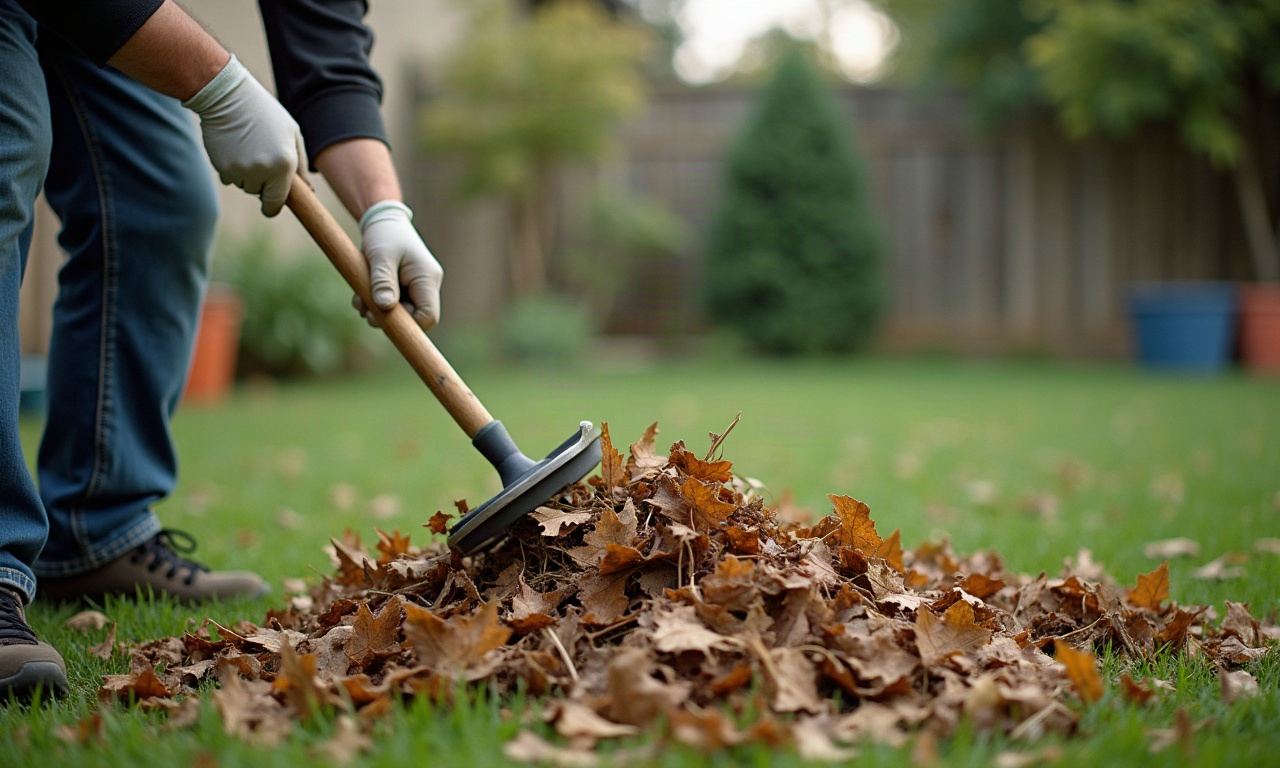
Before scheduling your first visit, walk your property and note what is already there: irrigation zones, bed borders, drainage patterns, and any areas that need special attention. Clear access, working water sources, and a quick conversation about your priorities make the difference between a smooth monthly routine and repeated adjustments.
Mark utility lines, irrigation valves, and septic covers
Lawn equipment can damage buried lines and irrigation components if they are not clearly marked. Walk the property and flag valve boxes, septic access points, and any shallow utility runs with small stakes or landscape paint. If you are unsure where lines run, contact your utility provider for a locate service before the first mowing visit. Crews will avoid marked areas and adjust mowing patterns accordingly.
Clear the lawn of toys, hoses, and movable items
Mowing and edging equipment works around permanent fixtures, but movable objects slow the visit and risk damage. Before each scheduled day, remove garden hoses, outdoor furniture, toys, and decorations from lawn areas and bed borders. Items left in place may be moved to the side by the crew, but repeated clearing adds time to the visit. A clear work area also reduces the chance of hidden objects damaging mower blades or string trimmers.
Check that gates latch and side yards are accessible
Many properties require access through side gates to reach the backyard. Test that gates open fully, latch securely, and are not blocked by overgrown plants or stored items. If a gate is locked, arrange to leave it open on visit days or provide a lockbox code. Crews cannot service areas they cannot reach, and scheduling return visits for inaccessible zones adds cost and complexity.
Note problem areas: drainage, bare spots, pest damage
Walk your lawn and beds and make a list of trouble spots you want addressed or avoided. Mark areas with poor drainage, sections of lawn damaged by grubs or disease, and beds where invasive plants have taken over. Share this list during the initial walkthrough so the crew knows which areas need lighter treatment, targeted weed control, or monitoring over the season. A written note is more reliable than memory during a busy visit.
Confirm your outdoor water source works and is reachable
Lawn care services rely on an outdoor spigot for irrigation checks, equipment cleaning, and occasional spot watering. Test that your hose bib turns on, has adequate pressure, and is not hidden behind shrubs or locked behind a gate. If the water source is off for the season, let the crew know in advance. A working, accessible water supply prevents delays and ensures irrigation adjustments can be completed during the visit.
Before the first visit, confirm:
- Utility lines, valve boxes, and septic covers are marked with flags or stakes
- Lawn and bed borders are clear of hoses, furniture, and movable objects
- Side gates open fully and are unlocked or accessible on scheduled days
- Problem areas are listed with notes about drainage, bare spots, or pest damage
- Outdoor water source is tested and reachable without obstructions
- Contact information and visit day preferences are shared during the walkthrough
A property that is marked, cleared, and ready for regular visits makes monthly lawn care predictable and effective. The crew spends time on mowing, edging, and bed maintenance instead of moving objects or searching for access. Contact us through the form below to schedule an initial walkthrough of your property in the Austin area.
Ready to stop spending weekends on lawn work?
Write through the contact form with your address and the plan you're interested in. We'll reply within two business days to schedule a walkthrough.